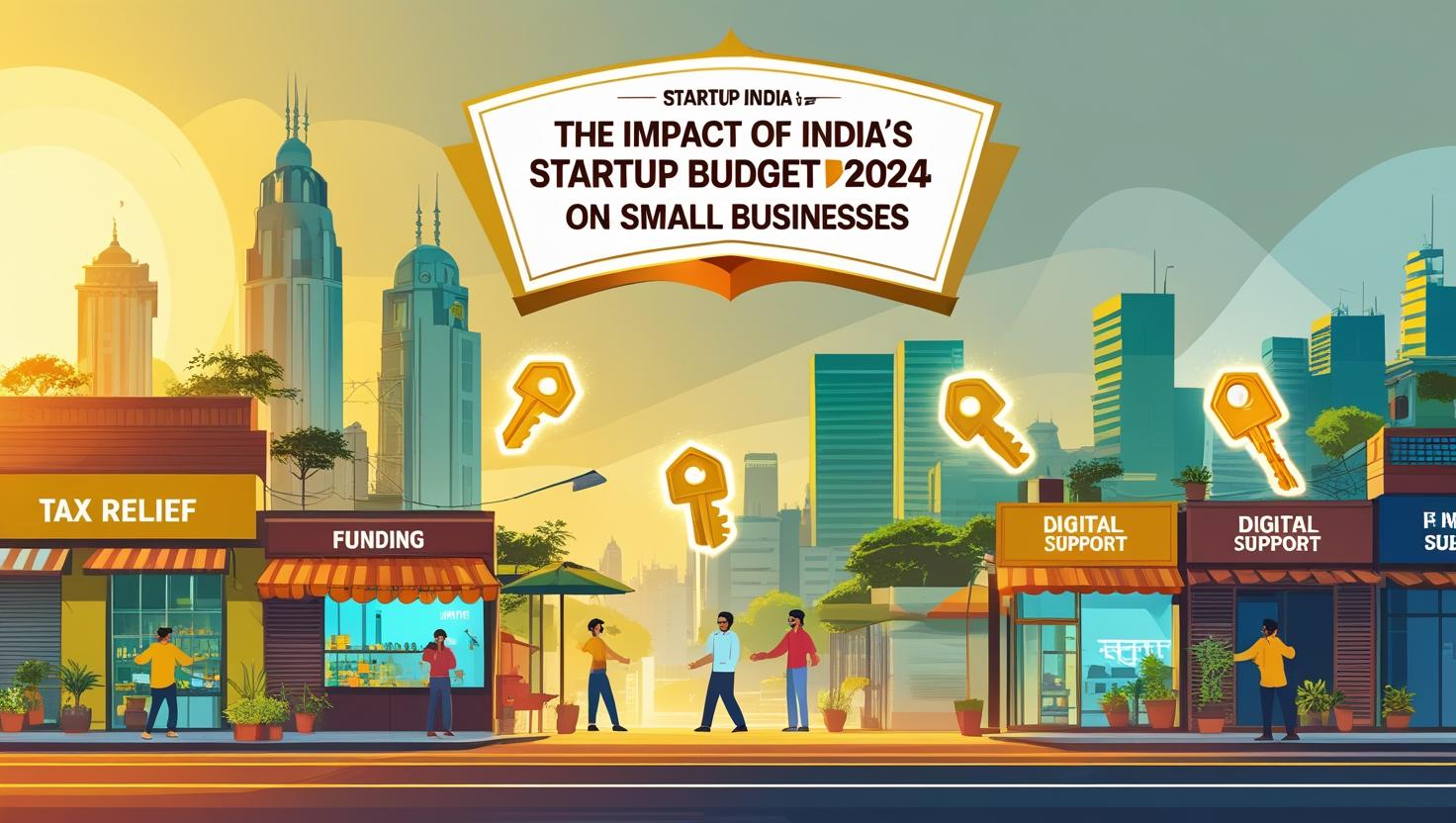
Listen up, because India’s Union Budget 2024, unveiled by our very own Finance Minister Nirmala Sitharaman, is honestly a pretty bold bet. We’re talking a massive wager on our incredible startups and, just as crucially, our vast network of small businesses. The goal? To truly ignite our already bustling $350 billion ecosystem, which, believe it or not, is home to over 140,000 ventures. This budget? It’s absolutely packed to the gills with tax breaks, crucial credit boosts, and exciting innovation funds. Naturally, entrepreneurs across the nation are buzzing with a mix of excitement and cautious optimism. But here’s the kicker: challenges like pesky implementation snags and those persistent rural gaps could, dare I say, trip things up. So, how does this budget really shake out for small businesses? Let’s dive into some real stories from the ground.
Key Policies and Their Real Impact
What’s actually in this budget that has everyone talking?
1. The End of Angel Tax? A Huge Sigh of Relief! Alright, this is massive. Scrapping the infamous angel tax, which used to slap a hefty 30% tax on startup investments, is a genuinely big win. “Oh, it’s such a relief – investors were genuinely spooked by it, you know?” confided Priya Sharma, a Bengaluru AI founder who managed to raise a solid $2 million in 2024. This move alone is expected to free up a cool ₹10,000 crore for early-stage startups, according to the Economic Times, basically letting them innovate without constantly looking over their shoulder for tax headaches. The catch? Some folks worry that murky valuation rules could still spark disputes down the line, as WISER points out.
2. A ₹1 Lakh Crore Innovation Fund: Fuel for Big Ideas! Now, this is exciting. Imagine a 50-year, interest-free loan pool, specifically earmarked for research and development (R&D). This is absolutely set to spark a new wave of tech and manufacturing startups. Anil Menon, who runs a solar venture in Gujarat, is already eyeing this fund to massively scale his production. “This isn’t just a loan; this could genuinely make us globally competitive,” he beamed. While the fund aims to benefit a billion startups, there’s a quiet worry among small players: could the big, established firms end up hogging most of the cash? PwC raised that eyebrow-raising question.
3. Supercharging Credit Access for MSMEs: A Lifeline! Here’s where it gets tangible for countless small businesses. The Mudra loan limit actually doubled to ₹20 lakh! And then there’s that generous ₹9,000 crore credit guarantee scheme, offering crucial collateral-free loans of up to ₹100 crore. Sunita Devi, whose vibrant craft business in Bihar, by the way, grew a fantastic 20% thanks to a ₹15 lakh loan, couldn’t be happier. “I hired five women, right there in my village!” she exclaimed, her voice full of pride. Yet, the reality bites: rural banks can be agonizingly slow with approvals – only 30% of applications cleared in six months, frustrating many, according to Vayana.
4. TReDS Platform Expansion: Faster Cash Flow, Finally! This is a smart move. Lowering the turnover threshold to ₹250 crore for MSMEs on the TReDS platform basically unlocks their working capital much faster by turning their pending receivables into instant cash. Rajesh Kumar, who runs a textile unit in Surat, saw his ₹5 crore in dues cleared almost instantly. “It’s a lifeline, genuinely,” he sighed in relief. But here’s the thing: only about 7,000 firms currently use TReDS, largely due to digital literacy gaps, as Invest India notes. We need more folks on board!
5. Skilling and Internships: Building Tomorrow’s Workforce! This one’s a big win for our youth. There’s a fantastic plan to skill 1 crore (10 million) youth with monthly stipends of ₹5,000 and offer internships at 500 top firms. It’s all about boosting employability. Rhea Patel, whose edtech startup in Delhi hired 50 interns, saw her training costs slashed. “They’re job-ready, truly prepared,” she said, beaming. The downside? Rural youth, with a challenging 40% less access to training centers, might unfortunately miss out, says Nasscom.
Why This Budget is Such a Big Deal (Seriously!)
Why all the fuss? Well, MSMEs are the backbone of our economy, contributing a whopping 36% to manufacturing and 45% to exports, the 2024-25 Economic Survey reminds us. So, these policies? They could actually add 2 jobs and lift our GDP by 0.3%! Plus, Startup India’s ₹10,000 crore Fund of Funds and the fact that 18% of our startups are now women-led (like Sunita’s!) are truly empowering a diverse range of founders. And the budget’s laser-focus on our 700 million internet users and powerful digital platforms like UPI is actively helping small businesses stretch their reach, even globally. “My Etsy sales literally doubled overnight!” exclaimed Sanjay Patel, a jeweler from Jaipur, thrilled.
But Here’s the Catch… (The Reality Check)
It’s not all smooth sailing, let’s be honest. Funding is still tight – global VC dropped 10%, Tracxn confirmed, really squeezing startups outside of the hot AI or fintech sectors. And rural businesses, like Anil Yadav’s in Bihar, are still battling that frustrating 40% less internet access. “These digital schemes? They just don’t reach us here,” he admitted, his voice tinged with resignation. Bureaucratic delays and a super complex GST portal are deterring a massive 70% of MSMEs from actually claiming benefits, according to Deloitte. And women founders, despite all their gains, still snag only a paltry 5.2% of credit, the IFC reveals.
The Real-World Impact: Budget’s Ripples
When these policies work, the impact is undeniable. In Chennai, Priya Menon’s café now uses TReDS to pay suppliers, saving her a fantastic ₹2 lakh monthly. “Cash flow’s so much smoother, it’s a huge relief,” she sighed. In Punjab, Anil Sharma’s health tech startup hired 100 locals after benefiting from a tax holiday. Nationally, MSMEs are driving 3% of our GDP growth, which is significant. And globally? India’s truly startup-friendly policies are drawing serious interest from U.S. and Singaporean VCs, InvestIndia happily reports. The Economic Survey, quite rightly, keeps pushing for faster execution and for skilling 2 million youth by 2027.
What’s Next? The Execution Challenge
So, with ambitious plans to morph India into a $10 trillion economy, this budget’s pro-startup moves are definitely bold. “It’s all about execution now, period,” emphasized Rhea Sharma, a wise Mumbai mentor. From crucial tax relief to vital credit boosts, our small businesses absolutely have a shot to scale up. But bridging those stubborn rural gaps and, crucially, cutting through all that red tape will ultimately decide if 2024’s budget truly sparks a revolution – one determined entrepreneur at a time. It’s a huge moment for India.